weight loss affect underarm pigmentation
Weight loss is often celebrated for its many health benefits, but many people are unaware that it can sometimes affect the appearance of their skin, including the underarms. A common concern is whether changes in body weight can influence underarm pigmentation. The question “Can weight loss affect underarm pigmentation?” arises frequently among individuals noticing darker skin in this area during or after weight loss. Understanding the connection between body weight and underarm skin color can help in taking appropriate steps to manage and improve this condition.
Weight fluctuations, particularly rapid weight loss, can influence hormonal balance, which in turn may impact skin pigmentation. Hormonal shifts associated with fat loss, such as changes in insulin levels or estrogen production, can lead to increased melanin in certain areas of the body, including the underarms. Additionally, friction caused by the movement of skin folds in overweight areas may contribute to thickening and darkening of the skin. As a person loses weight, these folds may reduce, but pigmentation caused by prior friction or hormonal changes can remain, making it appear as though underarm darkening is unrelated to weight loss.
For those asking, “Can weight loss affect underarm pigmentation?” it’s important to note that genetics and pre-existing skin conditions can also play a significant role. Some individuals may have a predisposition to darker underarms regardless of weight changes, while others may develop hyperpigmentation as a secondary effect of weight loss. Another contributing factor is the type of skin care routine adopted during weight loss. Harsh deodorants, frequent shaving, and lack of moisturizing can exacerbate pigmentation, making the skin appear darker even as overall body weight decreases.
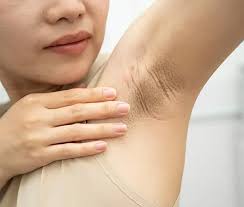
Can weight loss affect underarm pigmentation?
Addressing underarm pigmentation often requires a combination of lifestyle adjustments and professional treatments. Dark Underarm Treatment is specifically designed to target pigmentation, reduce discoloration, and promote smoother, lighter skin. These treatments may include topical creams, chemical peels, or laser therapies that help break down excess melanin and rejuvenate the skin. While weight loss may indirectly influence the need for such treatments, consulting a dermatologist or aesthetic specialist ensures a personalized plan for achieving optimal results.
In addition to professional interventions, maintaining proper skin care is essential. Gentle exfoliation, moisturizing, and using non-irritating deodorants can help prevent further darkening. Ensuring the underarm area remains dry and clean reduces friction and irritation, which are common triggers for pigmentation. Combining these habits with Dark Underarm Treatment can enhance results, especially for individuals who have recently undergone significant weight changes.
It is also worth noting that weight loss achieved gradually through a balanced diet and regular exercise may have a less dramatic impact on underarm pigmentation compared to rapid weight fluctuations. Sustainable weight management supports hormonal balance and overall skin health, potentially reducing the risk of new pigmentation developing. Those who notice persistent or worsening discoloration despite weight loss should consult a healthcare professional to rule out underlying conditions such as insulin resistance or hormonal disorders.
In conclusion, weight loss can affect underarm pigmentation, either directly through hormonal changes or indirectly through skin friction and care habits. While some darkening may occur during or after weight loss, it can often be managed effectively with proper skin care and professional interventions like Dark Underarm Treatment. By addressing both the cosmetic and underlying factors, individuals can achieve healthier, more even-toned underarm skin and maintain confidence in their appearance.