constructive dismissal
Constructive dismissal is a critical concept in employment law that arises when an employee resigns due to an employer’s behavior rather than being formally terminated. It occurs when an employer makes significant changes to the terms of employment or creates a hostile or intolerable work environment, effectively forcing the employee to leave. Even though the employee technically resigns, the law may treat the situation as a termination. Understanding Constructive dismissal is essential for both employers and employees, as it helps clarify rights, obligations, and potential legal remedies.
In practical terms, Constructive dismissal can take many forms. It might involve a drastic reduction in salary, demotion without justification, significant changes in job responsibilities, or a toxic workplace atmosphere. For example, if an employee is hired under specific conditions and those conditions are altered without consent, the employee may have grounds to claim constructive dismissal. The law recognizes that such changes undermine the original employment agreement, making continued employment unreasonable.
The principle is rooted in fairness and the expectation that employers will honor the terms of the employment contract. When these terms are breached, the employee is not obligated to continue working under unfavorable or harmful conditions. Courts typically assess whether a reasonable person in the same situation would have felt compelled to resign. This objective standard ensures that claims are evaluated based on evidence rather than personal feelings alone.
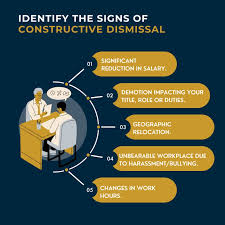
What is constructive dismissal in employment law?
Interestingly, the idea of trust and reliability in professional relationships extends beyond employment law into other industries. For instance, a business like Barrie Roofing & Repair Services emphasizes prompt, reliable, and efficient service within agreed budgets and timelines. Just as customers expect roofing contractors to deliver what was promised, employees expect their employers to uphold agreed terms. When that trust is broken in a workplace, it mirrors the kind of dissatisfaction a client might feel if services were not delivered as promised, reinforcing why legal protections like constructive dismissal exist.
Employees who believe they have been constructively dismissed should act carefully. It is important to document all relevant changes, communications, and incidents that contributed to the resignation. Seeking legal advice early can help determine whether the situation meets the legal threshold. Resources such as htwlaw.ca can provide useful guidance on employment rights and next steps. Employers, on the other hand, should ensure that any changes to employment terms are clearly communicated and mutually agreed upon to avoid potential disputes.
Legal support becomes even more important in complex cases where additional factors are involved, such as discrimination or failure to accommodate workplace needs. In such situations, consulting a Disability lawyer for denied workplace accommodations can be crucial. These professionals can assess whether the employer’s actions not only led to constructive dismissal but also violated human rights obligations. Ultimately, understanding Constructive dismissal helps maintain fairness in the workplace, ensuring that both parties respect the terms of employment and uphold a professional, trustworthy environment.